


As a reputable supplier of 50 percent hydrogen peroxide, I constantly encounter inquiries from various industries about the effects of this powerful chemical on different materials, especially rubber. Given that rubber is widely used in numerous applications - from industrial gaskets and O - rings to household items - understanding how 50 percent hydrogen peroxide interacts with it is crucial. In this blog, we'll delve into the scientific aspects of this interaction and explore the implications for practical use.
Chemical Properties of 50 Percent Hydrogen Peroxide
Hydrogen peroxide (H₂O₂) is a pale blue liquid in its pure form, but in common industrial and commercial applications, it is usually available as an aqueous solution. Our 50 percent hydrogen peroxide is a potent oxidizing agent, meaning it has a strong tendency to accept electrons from other substances. This is due to the presence of an unstable oxygen - oxygen single bond in the H₂O₂ molecule. When it comes into contact with other materials, this bond can break, releasing reactive oxygen species (ROS), such as hydroxyl radicals (˙OH). These radicals are extremely reactive and can initiate a wide range of chemical reactions.
General Reactions of Hydrogen Peroxide with Rubber
Rubber is a polymer, typically composed of long - chain molecules that can be either natural (derived from latex) or synthetic (such as neoprene, nitrile, and silicone). The interaction between 50 percent hydrogen peroxide and rubber depends on several factors, including the type of rubber, the duration of exposure, the temperature, and the concentration of the hydrogen peroxide.
Oxidation of Rubber
The primary reaction between 50 percent hydrogen peroxide and rubber is oxidation. The reactive oxygen species generated from hydrogen peroxide can attack the double bonds in the rubber polymer chains, especially in natural rubber and some synthetic rubbers like polybutadiene. When these double bonds are oxidized, they can break, leading to a reduction in the molecular weight of the rubber. This, in turn, can cause a loss of mechanical properties such as tensile strength, elasticity, and hardness.
For example, natural rubber contains a high proportion of polyisoprene, which has carbon - carbon double bonds. When exposed to 50 percent hydrogen peroxide, these double bonds can react with the oxygen radicals to form epoxides or alcohols. Over time, the polymer chains break down, and the rubber becomes brittle and more prone to cracking.
Swelling and Degradation
In addition to oxidation, 50 percent hydrogen peroxide can cause rubber to swell. The polar nature of hydrogen peroxide allows it to penetrate the rubber matrix. As the peroxide molecules diffuse into the rubber, they can disrupt the intermolecular forces between the polymer chains, causing the rubber to expand. If the swelling is severe, it can lead to physical damage and eventual degradation of the rubber.
The extent of swelling depends on the solubility parameter of the rubber. Rubbers with solubility parameters closer to that of hydrogen peroxide are more likely to swell. For instance, some types of nitrile rubber, which are relatively polar, may experience more significant swelling compared to non - polar rubbers like silicone.
Factors Affecting the Interaction
Type of Rubber
Different types of rubber have different chemical structures and compositions, which greatly affect their resistance to 50 percent hydrogen peroxide.

- Natural Rubber: As mentioned earlier, natural rubber is highly susceptible to oxidation due to its high content of double bonds. It degrades relatively quickly when exposed to 50 percent hydrogen peroxide, losing its mechanical properties within a short time.
- Neoprene: Neoprene has better resistance to oxidation than natural rubber because of the presence of chlorine atoms in its structure. These chlorine atoms provide some stability to the polymer chains and make it less reactive towards the oxygen radicals from hydrogen peroxide. However, over long - term exposure, neoprene can still be affected, especially at elevated temperatures.
- Silicone Rubber: Silicone rubber is generally more resistant to the effects of 50 percent hydrogen peroxide. Its chemical structure consists of a silicone - oxygen backbone with organic side groups. The silicone - oxygen bond is relatively stable and less reactive towards oxidation. As a result, silicone rubber can withstand longer exposure to hydrogen peroxide without significant degradation.
Exposure Time
The longer the rubber is exposed to 50 percent hydrogen peroxide, the more severe the degradation is likely to be. Short - term exposure, such as a brief splash or a few minutes of contact, may cause only minor surface changes. However, extended exposure, for hours or days, can lead to significant loss of mechanical properties and visible physical damage.
Temperature
Temperature plays a crucial role in the reaction between 50 percent hydrogen peroxide and rubber. Higher temperatures increase the reaction rate between the peroxide and the rubber. The thermal energy provides the activation energy needed for the oxidation reactions to occur more rapidly. For example, at room temperature, the degradation of rubber by hydrogen peroxide may be relatively slow, but at elevated temperatures (e.g., above 50°C), the process can be accelerated significantly.
Practical Implications
In industrial applications, understanding the effects of 50 percent hydrogen peroxide on rubber is essential for safety and efficiency. For example, in chemical processing plants where hydrogen peroxide is used, the choice of rubber gaskets and seals is critical. If the wrong type of rubber is used, it can lead to leaks, which not only pose safety risks but also result in product loss and increased maintenance costs.
In the automotive industry, rubber components such as hoses and seals may come into contact with hydrogen peroxide in some cleaning or maintenance processes. Using rubber materials that are resistant to hydrogen peroxide can ensure the longevity and proper functioning of these components.
Choosing the Right Rubber for Hydrogen Peroxide Applications
When dealing with 50 percent hydrogen peroxide, it is essential to select the appropriate type of rubber. For applications where long - term exposure to hydrogen peroxide is expected, silicone rubber or certain types of fluoroelastomers are often the best choices. These rubbers have high resistance to oxidation and swelling, ensuring reliable performance over time.
Our Product Offerings
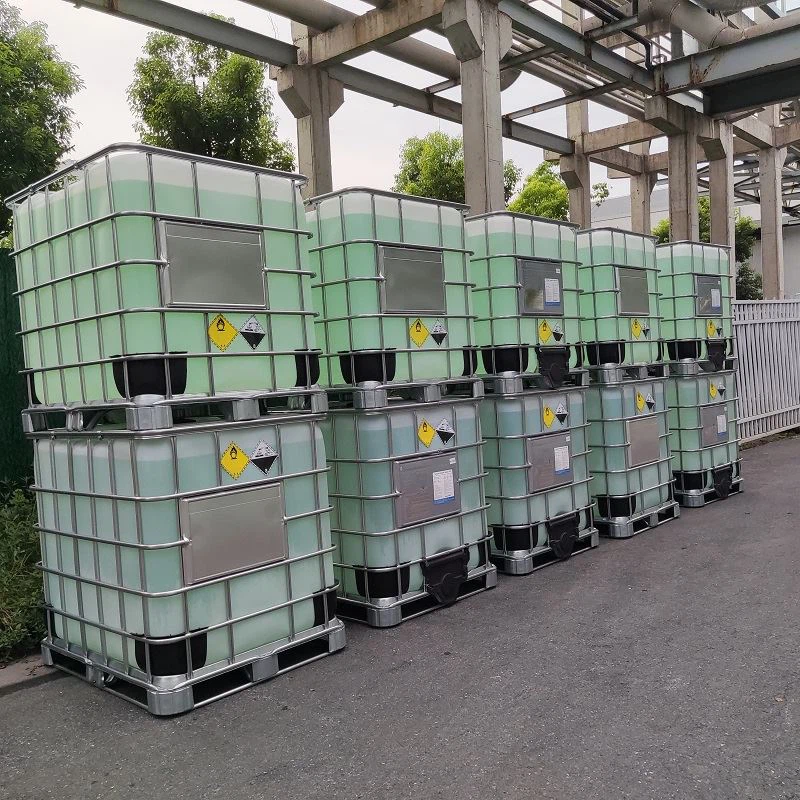
If you are in need of high - quality 50 percent hydrogen peroxide for your industrial applications, we have a range of products available. Check out our 500L Hydrogen Peroxide Aqueous Solution 50%, 500L IBC Industry Grade Hydrogen Peroxide 50%, and 50% Hydrogen Peroxide For Industrial Use. Our products are produced with strict quality control measures to meet the highest standards.
If you have any questions about our 50 percent hydrogen peroxide products or need advice on using them in your specific applications, we are here to help. Feel free to reach out to us for procurement and professional consultation. We will work closely with you to ensure that you get the best solution for your needs.
References
- Currell, B.; Epureanu, B. I. "Oxidative aging of elastomers: A review of the kinetic models and underlying mechanisms." Polymer Degradation and Stability, 2018, 151, 167 - 183.
- Rodgers, M. A. J. "Mechanisms of free radical oxidation of rubber." Journal of the Society of Chemical Industry, 1964, 83, 227 - 232.
- Wypych, G. “Handbook of elastomers”. ChemTec Publishing, 2004.