


As a supplier of 50 percent hydrogen peroxide, I've witnessed firsthand the profound impact this chemical has on various industries, especially the textile sector. In this blog post, I'll delve into how 50 percent hydrogen peroxide affects textile fibers, exploring its benefits, potential drawbacks, and the science behind its interactions.
The Science Behind Hydrogen Peroxide and Textile Fibers
Hydrogen peroxide (H₂O₂) is a versatile chemical with strong oxidizing properties. When used in a 50 percent concentration, it becomes a powerful agent in textile processing. The key to its effectiveness lies in its ability to break down into water and oxygen. This decomposition process releases nascent oxygen, which is highly reactive and can react with various substances in textile fibers.
Bleaching Action
One of the primary uses of 50 percent hydrogen peroxide in the textile industry is bleaching. Textile fibers often contain natural pigments that give them a dull or off - white color. The nascent oxygen released by hydrogen peroxide oxidizes these pigments, breaking them down into smaller, colorless molecules. This results in a brighter, whiter appearance of the textile fibers.

For natural fibers like cotton, linen, and wool, hydrogen peroxide bleaching is a preferred method because it is relatively gentle compared to other bleaching agents. It can effectively remove impurities and natural colorants without causing excessive damage to the fiber structure. For example, in cotton bleaching, 50 percent hydrogen peroxide can be used in a controlled environment to achieve a high level of whiteness while maintaining the fiber's strength and softness.
Degradation of Impurities
Textile fibers can also be contaminated with various impurities such as oils, waxes, and dirt during the manufacturing process. Hydrogen peroxide can react with these organic impurities, breaking them down into more soluble compounds that can be easily washed away. This helps in improving the overall quality and cleanliness of the textile fibers.
Antimicrobial Properties
Another advantage of using 50 percent hydrogen peroxide in textile processing is its antimicrobial properties. The reactive oxygen species produced during the decomposition of hydrogen peroxide can kill bacteria, fungi, and other microorganisms that may be present on the textile fibers. This is particularly important for textiles used in medical, hygiene, and food - handling applications, where maintaining a sterile environment is crucial.
Impact on Different Types of Textile Fibers
Natural Fibers
- Cotton: Cotton is one of the most widely used natural fibers in the textile industry. 50 percent hydrogen peroxide is commonly used to bleach cotton fabrics. It can penetrate the cotton fibers easily and break down the natural pigments. However, if the bleaching process is not properly controlled, hydrogen peroxide can cause some degradation of the cellulose in the cotton fibers, leading to a reduction in strength. To prevent this, careful monitoring of the concentration, temperature, and time of the bleaching process is essential.
- Linen: Linen, made from the flax plant, has a natural yellowish color. Hydrogen peroxide bleaching can effectively whiten linen fibers, enhancing their aesthetic appeal. Similar to cotton, over - exposure to hydrogen peroxide can damage the linen fibers, but when used correctly, it can produce high - quality, white linen fabrics.
- Wool: Wool is a protein - based fiber. 50 percent hydrogen peroxide can be used to bleach wool, but it requires more careful handling. The alkaline conditions often used in hydrogen peroxide bleaching can cause damage to the wool fibers if not properly adjusted. However, when the process is optimized, it can result in a clean, white appearance without significant loss of the wool's natural softness and elasticity.
Synthetic Fibers
- Polyester: Polyester is a synthetic fiber that is relatively resistant to the action of hydrogen peroxide. While it may not be used for bleaching polyester in the same way as natural fibers, hydrogen peroxide can still be used to clean and disinfect polyester fabrics. The oxidizing properties of hydrogen peroxide can help in removing stains and odors from polyester textiles.
- Nylon: Nylon is another synthetic fiber. Similar to polyester, it is more resistant to hydrogen peroxide compared to natural fibers. However, high - concentration hydrogen peroxide can cause some yellowing of nylon fibers over time, especially if exposed to heat and light. Therefore, when using 50 percent hydrogen peroxide on nylon, it is important to consider the specific application and the potential long - term effects.
Potential Drawbacks and Precautions
While 50 percent hydrogen peroxide offers many benefits in textile processing, there are also some potential drawbacks that need to be considered.
Fiber Damage
As mentioned earlier, if the concentration, temperature, and time of the hydrogen peroxide treatment are not properly controlled, it can cause damage to the textile fibers. This can result in a loss of strength, elasticity, and softness, reducing the overall quality of the textile products.
Environmental Impact
The use of 50 percent hydrogen peroxide in the textile industry also has environmental implications. Although hydrogen peroxide decomposes into water and oxygen, the by - products of its reaction with textile impurities and pigments can sometimes be harmful to the environment. Additionally, the energy required for the bleaching and processing steps can contribute to the carbon footprint of the textile manufacturing process.
To mitigate these issues, it is important to follow best practices in hydrogen peroxide use. This includes using the minimum amount of hydrogen peroxide necessary to achieve the desired results, optimizing the process conditions to reduce fiber damage, and implementing proper waste treatment methods to minimize the environmental impact.
Our Products and Their Suitability for Textile Processing
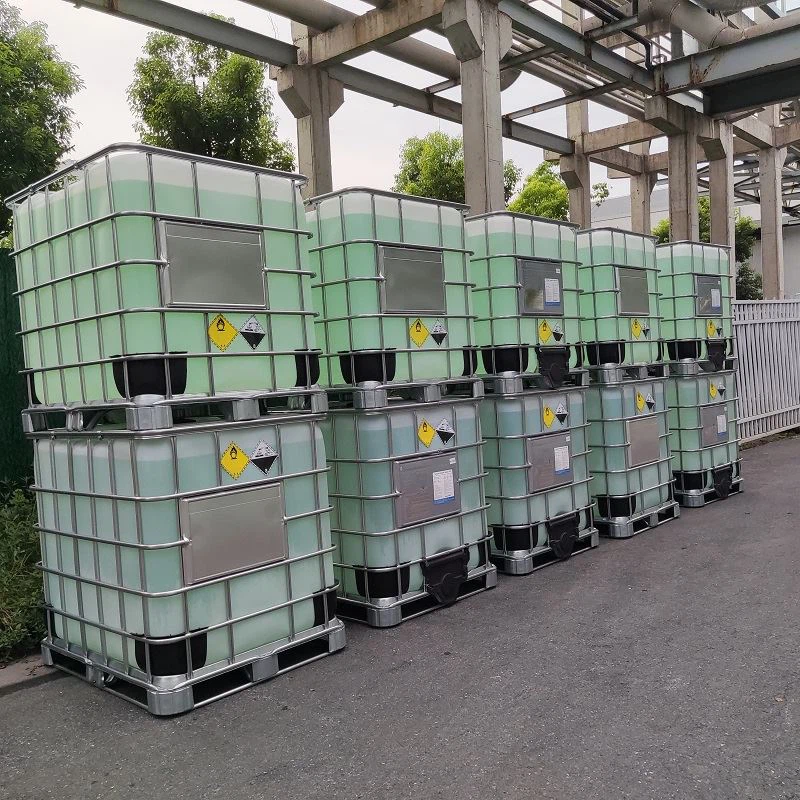
At our company, we offer high - quality 50 percent hydrogen peroxide products that are specifically formulated for industrial use, including textile processing. Our 50% Hydrogen Peroxide For Industrial Use is produced under strict quality control standards to ensure its purity and effectiveness.
We also provide 500L Hydrogen Peroxide 50%, which is suitable for large - scale textile manufacturing operations. Our 50% Industrial Grade Efficient Hydrogen Peroxide H₂O₂ for Environmental Protection is designed to minimize the environmental impact while still delivering excellent performance in textile bleaching and processing.
Conclusion and Call to Action
In conclusion, 50 percent hydrogen peroxide plays a crucial role in the textile industry. It offers a range of benefits, including bleaching, impurity removal, and antimicrobial properties. However, it also requires careful handling to avoid fiber damage and environmental issues.
If you are in the textile industry and are looking for a reliable supplier of 50 percent hydrogen peroxide, we would be delighted to discuss your specific needs. Our team of experts can provide you with detailed information on our products, application methods, and best practices for using hydrogen peroxide in textile processing. Contact us to start a procurement discussion and take your textile manufacturing to the next level.
References
- Textile Chemistry and Coloration, Third Edition by Harold L. Needles
- Handbook of Textile Fibre Structure, Volume 1: Natural Fibres by David J. Vaughn
- Industrial Applications of Hydrogen Peroxide and Derivatives by C. Walling