


Hey there! As a supplier of H₂O₂ for environmental protection, I'm super excited to chat with you about how hydrogen peroxide (H₂O₂) works its magic in treating textile printing wastewater. It's a topic that's close to my heart, not just because it's my business, but also because it's all about making our planet a cleaner and greener place.
The Problem with Textile Printing Wastewater
Textile printing is a huge industry, but it comes with a big environmental problem: wastewater. This wastewater is loaded with all sorts of nasties like dyes, heavy metals, and chemicals. Dyes, in particular, are a real headache. They're not only unsightly but can also be toxic to aquatic life and humans. Heavy metals like lead, mercury, and cadmium can accumulate in the environment and cause long - term health issues.
The traditional methods of treating this wastewater often involve using chemicals that can be harmful to the environment themselves. That's where H₂O₂ steps in as a game - changer.
How H₂O₂ Works in Wastewater Treatment
H₂O₂ is a powerful oxidizing agent. When it's added to textile printing wastewater, it starts a series of chemical reactions that break down the pollutants. Let's take a closer look at the main processes.
Oxidation of Dyes
Dyes are the most visible pollutants in textile printing wastewater. They give the water that bright, often unnatural color. H₂O₂ reacts with these dyes through a process called oxidation. The oxygen atoms in H₂O₂ are very reactive. They attack the chemical bonds in the dye molecules, breaking them down into smaller, less complex compounds.
For example, azo dyes, which are commonly used in textile printing, have a characteristic azo group (-N=N -). H₂O₂ can break this group apart, changing the structure of the dye and reducing its color. As the dye molecules are broken down, the water becomes less colored, and the pollutants become more biodegradable.

Removal of Heavy Metals
Heavy metals are another major concern in textile printing wastewater. H₂O₂ can help in removing them through oxidation as well. It can convert heavy metals from their soluble forms to insoluble forms. For instance, ferrous ions (Fe²⁺) can be oxidized to ferric ions (Fe³⁺) by H₂O₂. The ferric ions then form insoluble hydroxides, which can be easily removed from the water through precipitation.
This is important because once the heavy metals are in an insoluble form, they can be separated from the water, reducing the toxicity of the wastewater.
Degradation of Organic Compounds
Textile printing wastewater also contains a variety of organic compounds, such as surfactants and solvents. H₂O₂ can degrade these compounds too. It breaks them down into carbon dioxide and water, which are harmless to the environment.
The degradation process occurs through a series of free - radical reactions. When H₂O₂ decomposes, it forms hydroxyl radicals (•OH). These radicals are extremely reactive and can react with almost any organic compound in the wastewater. They attack the carbon - carbon and carbon - hydrogen bonds in the organic molecules, gradually breaking them down into simpler substances.
Advantages of Using H₂O₂ in Wastewater Treatment
Environmentally Friendly
One of the biggest advantages of using H₂O₂ in textile printing wastewater treatment is that it's environmentally friendly. When H₂O₂ decomposes, it only produces water and oxygen. There are no harmful by - products left behind, unlike some traditional chemical treatment methods.
Versatility
H₂O₂ can be used to treat a wide range of pollutants in textile printing wastewater. Whether it's dyes, heavy metals, or organic compounds, H₂O₂ has the ability to break them down. This makes it a very versatile treatment option for textile manufacturers.
Cost - Effective
In the long run, using H₂O₂ can be cost - effective. Although the initial cost of purchasing H₂O₂ might seem a bit high, the savings in terms of reduced environmental impact and lower treatment costs can be significant. For example, by using H₂O₂, textile manufacturers can avoid the need for expensive equipment and chemicals required for other treatment methods.
Our H₂O₂ Products
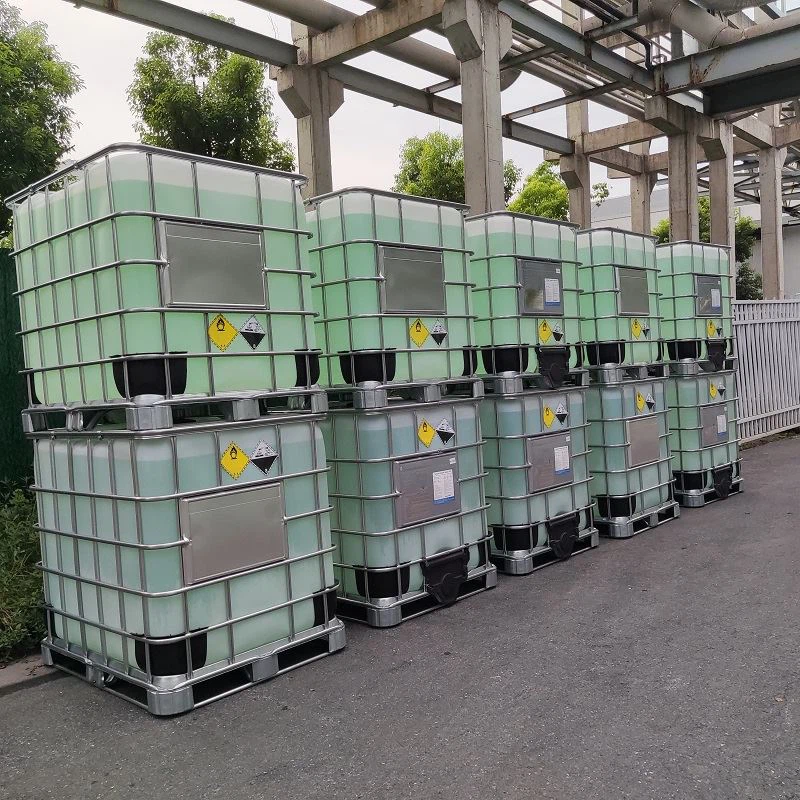
We offer high - quality H₂O₂ products that are perfect for textile printing wastewater treatment. Check out our 50% Industrial Grade H₂O₂ Hydrogen Peroxide for Peroxides Manufacture. It's formulated to be highly effective in breaking down pollutants in wastewater.
Our 50% Hydrogen Peroxide For Industrial Use is also a great option. It has the right concentration to ensure optimal oxidation of pollutants without causing any harm to the environment.
And if you're looking for a product specifically for chemical synthesis during the treatment process, our 50% Industrial Grade H2O2 Hydrogen Peroxide for Chemical Synthesis is the way to go.
Factors Affecting the Performance of H₂O₂ in Wastewater Treatment
The effectiveness of H₂O₂ in treating textile printing wastewater can be influenced by several factors.
pH Level
The pH of the wastewater plays a crucial role. H₂O₂ works best in a slightly acidic to neutral pH range. If the pH is too high or too low, the oxidation reactions may not occur efficiently. For example, in highly alkaline conditions, H₂O₂ can decompose too quickly, releasing oxygen gas before it has a chance to react with the pollutants.
Temperature
Temperature also affects the reaction rate. Generally, higher temperatures increase the rate of oxidation reactions. However, if the temperature is too high, H₂O₂ can decompose rapidly, reducing its effectiveness. So, it's important to maintain an optimal temperature range during the treatment process.
Concentration of H₂O₂
The amount of H₂O₂ added to the wastewater is critical. If the concentration is too low, there won't be enough oxidizing power to break down all the pollutants. On the other hand, if the concentration is too high, it can be wasteful and may also cause other problems, such as the formation of unwanted by - products.
Conclusion
H₂O₂ is a powerful and environmentally friendly solution for treating textile printing wastewater. It offers a sustainable way to break down pollutants like dyes, heavy metals, and organic compounds. As a supplier of H₂O₂ for environmental protection, I'm confident that our products can make a real difference in the textile industry's efforts to reduce its environmental impact.
If you're in the textile printing business and looking for an effective and eco - friendly way to treat your wastewater, I encourage you to reach out to us. We can discuss your specific needs and find the right H₂O₂ product for you. Let's work together to make our environment cleaner and safer.
References
- Smith, J. (2018). "Advanced Oxidation Processes for Textile Wastewater Treatment." Journal of Environmental Science and Technology.
- Brown, A. (2019). "The Role of Hydrogen Peroxide in Industrial Wastewater Treatment." Industrial Chemistry Review.