


Hey there! As a supplier of 50% hydrogen peroxide, I've seen my fair share of spills. It can be a real headache, but with the right know - how, you can handle it safely and effectively. In this blog, I'll walk you through the steps to deal with a spill of 50% hydrogen peroxide.
First Things First: Safety Precautions
Before you even think about cleaning up a 50% hydrogen peroxide spill, safety has to be your top priority. 50% hydrogen peroxide is a strong oxidizer and can cause serious harm if it comes into contact with your skin, eyes, or is inhaled.
- Personal Protective Equipment (PPE): You need to gear up properly. Put on chemical - resistant gloves, safety goggles, and a face shield to protect your eyes and face. A chemical - resistant apron or suit is also a must to safeguard your body from splashes.
- Ventilation: Make sure the area where the spill occurred is well - ventilated. Open windows and doors if possible, or use exhaust fans. This helps to prevent the buildup of hydrogen peroxide vapors, which can be irritating and potentially dangerous if inhaled in large amounts.
Assessing the Spill
Once you're safely suited up, take a moment to size up the spill. Figure out how big it is and where it has spread. This will help you determine the best approach for cleanup.
- Small Spills: If it's a small spill, say a few ounces or less, you might be able to handle it relatively easily. But don't be complacent; even small spills can be hazardous.
- Large Spills: A large spill, like several liters, is a whole different ballgame. It requires more resources and a more careful approach. You might need to call in the pros if it's really out of control.
Containing the Spill
The next step is to stop the spill from spreading any further.
- Absorbent Materials: Use absorbent materials like vermiculite, diatomaceous earth, or specialized chemical absorbents. These materials can soak up the hydrogen peroxide and prevent it from seeping into the floor or other surfaces. Sprinkle the absorbent material over the spill, starting from the edges and working your way in.
- Barriers: If the spill is on a flat surface, you can create barriers using sandbags or other suitable materials to keep the liquid from flowing into other areas.
Cleaning Up the Spill
Now that the spill is contained, it's time to clean it up.
- Collecting the Absorbent: Once the absorbent material has soaked up the hydrogen peroxide, carefully scoop it up using a plastic or metal shovel. Put the contaminated absorbent into a labeled, sealed container. Make sure the container is made of a material that is resistant to hydrogen peroxide, like high - density polyethylene.
- Washing the Area: After removing the absorbent, wash the affected area with a large amount of water. This helps to dilute any remaining hydrogen peroxide and remove any residue. Use a mild detergent if necessary, but make sure it's compatible with hydrogen peroxide. Rinse the area thoroughly and dry it with clean towels or a mop.
Disposal of Contaminated Materials
Proper disposal of the contaminated absorbent and other materials is crucial.
- Regulatory Requirements: You need to follow local, state, and federal regulations regarding the disposal of hazardous waste. Contact your local environmental agency or waste management company to find out the correct procedures.
- Labeling: Clearly label the container with the contents (50% hydrogen peroxide - contaminated absorbent) and any relevant hazard warnings.
Dealing with Equipment and Surfaces
If the spill has come into contact with equipment or other surfaces, you need to take special care.
- Corrosion: Hydrogen peroxide can cause corrosion on some metals and other materials. Inspect the affected equipment and surfaces for signs of damage. If there is corrosion, you may need to repair or replace the damaged parts.
- Cleaning: Clean the equipment and surfaces thoroughly using the same methods as for the spill area. Make sure to remove all traces of hydrogen peroxide to prevent further damage.
Training and Emergency Response
It's not just about knowing what to do when a spill happens; it's also about being prepared.
- Employee Training: Ensure that all employees who work with or around 50% hydrogen peroxide are properly trained in spill response procedures. Regular training sessions can help keep everyone up - to - date and ready to act in an emergency.
- Emergency Response Plan: Have a detailed emergency response plan in place. This plan should include steps for dealing with spills, as well as contact information for emergency responders and relevant agencies.
Our Products
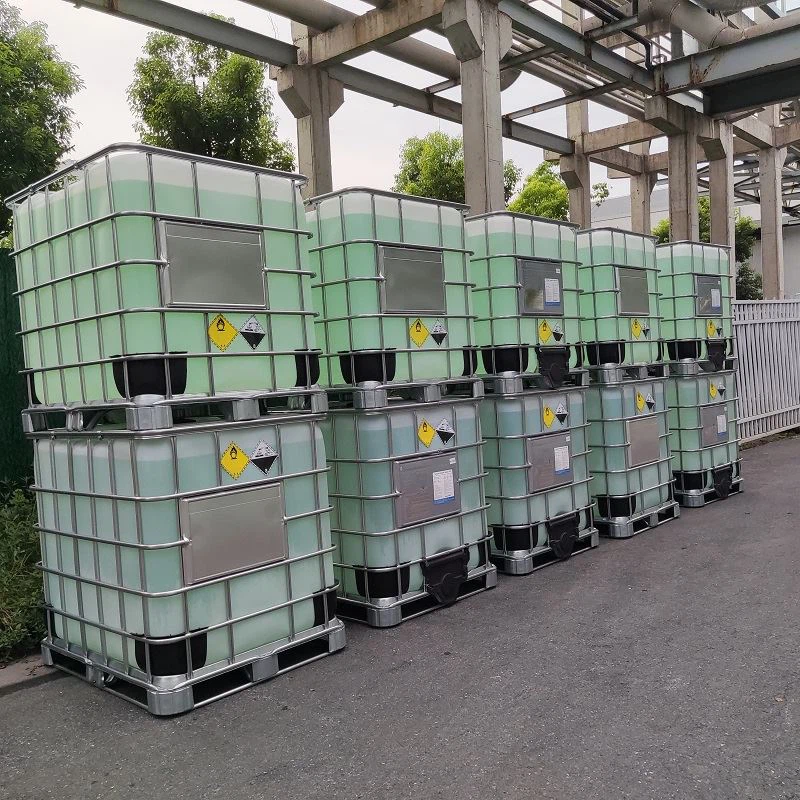
As a supplier, I'm proud to offer high - quality 50% hydrogen peroxide products. Check out our 500L Hydrogen Peroxide Aqueous Solution 50%, 50% Industrial Grade Efficient Hydrogen Peroxide H₂O₂ for Environmental Protection, and 50% Hydrogen Peroxide For Industrial Use. These products are suitable for a wide range of industrial applications, but always remember to handle them with care.
Conclusion
Handling a spill of 50% hydrogen peroxide is no joke, but by following these steps, you can minimize the risks and clean up the mess safely. If you have any questions about our products or spill response, don't hesitate to reach out. We're here to help you with all your 50% hydrogen peroxide needs. Whether you're a small business or a large industrial operation, we can provide the right solutions for you. So, if you're in the market for high - quality 50% hydrogen peroxide, contact us for a purchase discussion.

References
- "Hydrogen Peroxide: Properties, Uses, and Hazards" by Chemical Safety Board
- "Safe Handling of Hydrogen Peroxide" by Occupational Safety and Health Administration (OSHA)