


Hydrogen peroxide is a versatile chemical compound with a wide range of applications, from industrial processes to household cleaning. As a supplier of 50% hydrogen peroxide, I understand the importance of proper storage to maintain its quality and ensure safety. In this blog post, I will share some essential guidelines on how to store 50% hydrogen peroxide properly.
Understanding 50% Hydrogen Peroxide
Before delving into storage practices, it's crucial to understand the nature of 50% hydrogen peroxide. This concentration is significantly more potent than the commonly available 3% solution found in drugstores. At 50%, hydrogen peroxide is a strong oxidizing agent, which means it can react vigorously with other substances, including organic materials, metals, and reducing agents. It is also unstable and can decompose over time, especially when exposed to heat, light, or certain contaminants.
Storage Containers
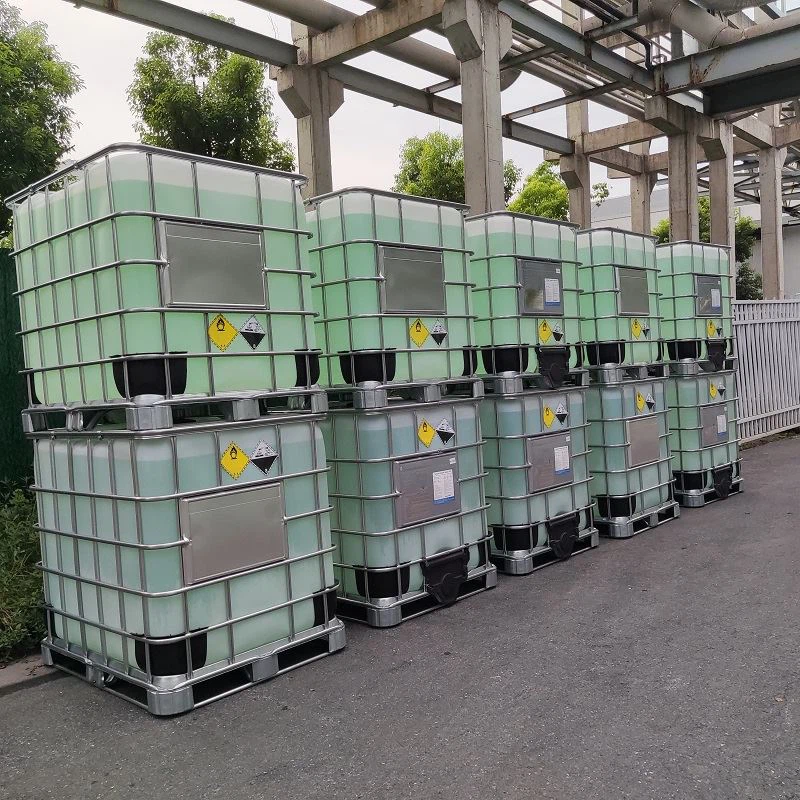
The first step in proper storage is selecting the right container. 50% hydrogen peroxide should be stored in containers made of materials that are resistant to corrosion and do not react with the chemical. High-density polyethylene (HDPE) and polypropylene are commonly used materials for storing hydrogen peroxide because they are inert and provide good chemical resistance. Glass containers can also be used, but they should be made of borosilicate glass, which is more resistant to thermal shock and chemical attack than regular glass.
It's important to ensure that the container is clean and free of any contaminants before filling it with hydrogen peroxide. Even small amounts of impurities can catalyze the decomposition of hydrogen peroxide, leading to the release of oxygen gas and potentially causing an explosion. The container should also have a tight-fitting lid to prevent the entry of air and moisture, which can also contribute to decomposition.
Storage Conditions
In addition to using the right container, proper storage conditions are essential to maintain the stability of 50% hydrogen peroxide. Here are some key factors to consider:
Temperature
Hydrogen peroxide decomposes more rapidly at higher temperatures. Therefore, it should be stored in a cool, dry place away from sources of heat, such as direct sunlight, heaters, and hot machinery. The ideal storage temperature for 50% hydrogen peroxide is between 2°C and 8°C (36°F and 46°F). However, it can be stored at room temperature (around 20°C to 25°C or 68°F to 77°F) for short periods, as long as it is protected from heat and light.
Light
Light can also accelerate the decomposition of hydrogen peroxide. Therefore, it should be stored in opaque containers or in a dark storage area. If the container is transparent, it should be covered with a light-resistant material, such as aluminum foil, to prevent exposure to light.
Ventilation
Although hydrogen peroxide should be stored in a closed container, it's important to ensure that the storage area is well-ventilated. This is because the decomposition of hydrogen peroxide releases oxygen gas, which can accumulate in enclosed spaces and create a fire or explosion hazard. Adequate ventilation helps to dissipate the oxygen gas and maintain a safe environment.
Separation
50% hydrogen peroxide should be stored separately from other chemicals, especially those that are incompatible with it. Incompatible chemicals include organic materials, metals, reducing agents, and strong acids or bases. Storing hydrogen peroxide near these substances can increase the risk of a chemical reaction, which can lead to fire, explosion, or the release of toxic gases.

Handling and Transfer
Proper handling and transfer procedures are also important to ensure the safe storage of 50% hydrogen peroxide. Here are some guidelines to follow:
Personal Protective Equipment (PPE)
When handling 50% hydrogen peroxide, it's essential to wear appropriate personal protective equipment, including gloves, goggles, and a lab coat or apron. This helps to protect your skin, eyes, and clothing from contact with the chemical, which can cause severe burns and irritation.
Transfer Equipment
When transferring hydrogen peroxide from one container to another, use equipment that is made of materials that are compatible with the chemical. This includes funnels, pumps, and hoses made of HDPE or polypropylene. Avoid using metal equipment, as it can react with hydrogen peroxide and cause a fire or explosion.
Spill Response
In the event of a spill, it's important to take immediate action to contain and clean it up. Wear appropriate PPE and use absorbent materials, such as vermiculite or sand, to soak up the spill. Avoid using water, as it can spread the spill and increase the risk of a chemical reaction. Once the spill has been contained, dispose of the absorbent materials and any contaminated clothing or equipment in accordance with local regulations.
Monitoring and Testing
Regular monitoring and testing are essential to ensure the quality and safety of stored 50% hydrogen peroxide. Here are some recommended practices:
Visual Inspection
Periodically inspect the storage container for signs of damage, such as cracks, leaks, or bulging. If any damage is detected, transfer the hydrogen peroxide to a new container immediately.
Concentration Testing
Test the concentration of the hydrogen peroxide periodically using a reliable method, such as titration or a hydrogen peroxide test strip. This helps to ensure that the concentration remains within the acceptable range and that the chemical has not decomposed significantly.
Shelf Life
Keep track of the shelf life of the hydrogen peroxide and use it before the expiration date. Although the shelf life of 50% hydrogen peroxide can vary depending on the storage conditions, it typically ranges from 6 to 12 months.
Conclusion
Proper storage of 50% hydrogen peroxide is essential to maintain its quality and ensure safety. By following the guidelines outlined in this blog post, you can minimize the risk of decomposition, fire, explosion, and other hazards associated with this potent chemical. Remember to use the right container, store it in a cool, dry, and well-ventilated place, handle it with care, and monitor and test it regularly.
If you are in need of 50% hydrogen peroxide for your industrial processes, we are a reliable supplier offering high-quality products. Our 50% Industrial Grade Hydrogen Peroxide (H₂O₂)for Bamboo,wood,leather and Pigskin Bleaching is suitable for a variety of bleaching applications. We also have 50% Hydrogen Peroxide For Industrial Use and 50% Industrial Grade H2O2 Hydrogen Peroxide for Chemical Synthesis to meet your specific requirements.
If you have any questions or would like to discuss your procurement needs, please feel free to reach out to us. We are committed to providing excellent customer service and ensuring that you get the best product for your business.
References
- "Hydrogen Peroxide: Properties, Uses, and Hazards." National Oceanic and Atmospheric Administration, Office of Response and Restoration.
- "Safe Handling and Storage of Hydrogen Peroxide." Chemical Safety and Hazard Investigation Board.
- "Guidelines for the Storage and Handling of Hydrogen Peroxide." International Hydrogen Peroxide Association.