


Hydrogen peroxide has long been a staple in the bleaching industry, valued for its strong oxidizing properties and relative environmental friendliness compared to some other bleaching agents. As a supplier of hydrogen peroxide for bleaching, I've witnessed firsthand its widespread use across various sectors. However, it's essential to understand the long - term effects of using hydrogen peroxide for bleaching to make informed decisions about its application.
Effects on the Material Being Bleached
Textiles
When hydrogen peroxide is used for textile bleaching, it can have both positive and negative long - term impacts. On the positive side, it can effectively remove natural colorants and impurities from fibers, resulting in a bright and uniform white color. This is particularly important in the textile industry, where a high - quality white base is often required for subsequent dyeing and printing processes. Our 50 Percent Industrial Grade Hydrogen Peroxide H₂O₂ for Textile Industry is specifically formulated to meet the stringent requirements of textile bleaching.
However, over time, repeated exposure to hydrogen peroxide can cause damage to the textile fibers. The oxidizing action of hydrogen peroxide can break down the molecular structure of the fibers, leading to a loss of strength and elasticity. This can result in fabrics that are more prone to tearing and fraying, reducing their overall durability. Additionally, the bleaching process can alter the surface properties of the fibers, affecting their moisture absorption and wicking capabilities.
Paper
In the paper industry, hydrogen peroxide is commonly used to bleach wood pulp to produce white paper products. It is a preferred bleaching agent because it can achieve high levels of brightness without the use of chlorine - based chemicals, which are known to produce harmful by - products. Our 50% Industrial Grade Efficient Hydrogen Peroxide H₂O₂ for Environmental Protection offers an environmentally friendly solution for paper bleaching.
Long - term use of hydrogen peroxide in paper bleaching can have implications for the quality of the paper. Similar to textiles, the oxidizing action of hydrogen peroxide can degrade the cellulose fibers in the paper, reducing its strength and stiffness. This can lead to issues such as paper breakage during printing and handling, as well as a shorter lifespan for the paper products. Moreover, the bleaching process can affect the optical properties of the paper, such as its opacity and gloss, which may impact the visual appearance of printed materials.
Environmental Effects
Water Pollution
One of the significant long - term environmental concerns associated with the use of hydrogen peroxide for bleaching is its potential to contribute to water pollution. When hydrogen peroxide is used in industrial bleaching processes, it is often discharged into wastewater. Although hydrogen peroxide is a relatively unstable compound that decomposes into water and oxygen over time, large amounts of it can have a negative impact on aquatic ecosystems.
High concentrations of hydrogen peroxide in water can be toxic to aquatic organisms, such as fish and invertebrates. It can disrupt the normal physiological processes of these organisms, leading to reduced growth, reproduction, and survival rates. Additionally, the decomposition of hydrogen peroxide can consume dissolved oxygen in the water, creating hypoxic conditions that are harmful to aquatic life.
Air Quality
The production and use of hydrogen peroxide can also have implications for air quality. During the manufacturing process, hydrogen peroxide is typically produced through the anthraquinone process, which involves the use of various chemicals and energy - intensive reactions. These processes can release pollutants into the air, such as volatile organic compounds (VOCs) and nitrogen oxides (NOx), which contribute to air pollution and the formation of smog.
In addition, the decomposition of hydrogen peroxide can release oxygen and water vapor, which may seem harmless. However, in some cases, the decomposition can be catalyzed by certain substances, leading to the formation of ozone. Ozone is a powerful oxidant that can cause respiratory problems and damage to vegetation when present in high concentrations in the lower atmosphere.
Health Effects
Occupational Exposure
Workers in industries that use hydrogen peroxide for bleaching are at risk of occupational exposure to the chemical. Direct contact with hydrogen peroxide can cause skin irritation, burns, and blisters. Inhalation of hydrogen peroxide vapors can irritate the respiratory tract, causing coughing, shortness of breath, and chest pain. Prolonged or repeated exposure to hydrogen peroxide can also lead to more serious health problems, such as damage to the eyes, lungs, and nervous system.
To minimize the risk of occupational exposure, it is essential for workers to wear appropriate personal protective equipment (PPE), such as gloves, goggles, and respirators. Employers should also provide proper training and safety procedures to ensure that workers handle hydrogen peroxide safely.
Consumer Exposure
Consumers may also be exposed to hydrogen peroxide through the use of bleached products, such as white textiles and paper. Although the levels of hydrogen peroxide residue in these products are typically low, some individuals may be sensitive to the chemical and experience allergic reactions or skin irritation. Additionally, there is a potential risk of accidental ingestion of hydrogen peroxide, especially in households where it is used as a cleaning or disinfecting agent. Ingestion of hydrogen peroxide can cause nausea, vomiting, abdominal pain, and in severe cases, internal bleeding and organ damage.
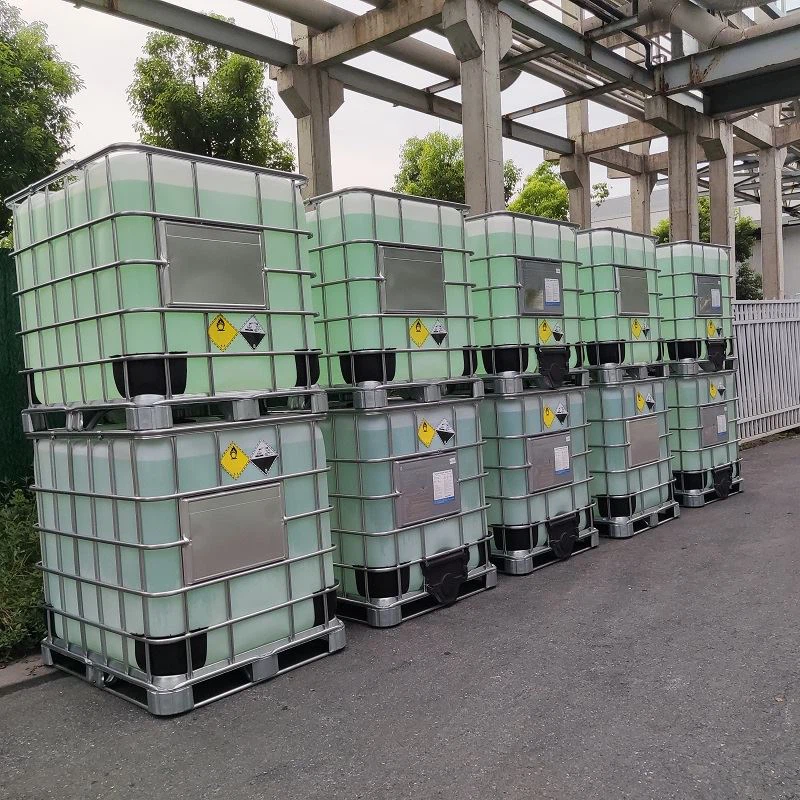

Mitigating the Long - Term Effects
Process Optimization
To reduce the negative long - term effects of using hydrogen peroxide for bleaching, it is important to optimize the bleaching processes. This can involve adjusting the concentration, temperature, and duration of the bleaching treatment to achieve the desired level of brightness while minimizing damage to the material being bleached. Additionally, the use of catalysts and stabilizers can improve the efficiency of the bleaching process and reduce the amount of hydrogen peroxide required.
Environmental Management
Industries that use hydrogen peroxide for bleaching should implement effective environmental management practices to minimize water and air pollution. This can include the installation of wastewater treatment systems to remove hydrogen peroxide and other pollutants from the effluent before it is discharged into the environment. Additionally, the use of renewable energy sources and energy - efficient technologies in the production and use of hydrogen peroxide can help reduce greenhouse gas emissions and improve air quality.
Safety Measures
To protect the health of workers and consumers, it is crucial to implement strict safety measures. This includes providing proper training and education on the safe handling and use of hydrogen peroxide, as well as ensuring that appropriate PPE is available and used. In addition, regular monitoring and testing of hydrogen peroxide levels in the workplace and in consumer products can help identify and address potential health risks.
Conclusion
As a supplier of 50% Hydrogen Peroxide For Industrial Use, I understand the importance of balancing the benefits of using hydrogen peroxide for bleaching with the need to minimize its long - term effects. While hydrogen peroxide is a powerful and versatile bleaching agent, it can have significant impacts on the material being bleached, the environment, and human health.
By understanding these long - term effects and implementing appropriate mitigation strategies, we can ensure the sustainable use of hydrogen peroxide in the bleaching industry. If you are interested in learning more about our hydrogen peroxide products or have any questions regarding their use, please feel free to contact us for a detailed discussion and potential procurement opportunities.
References
- "Hydrogen Peroxide in Pulp and Paper Bleaching" by J. G. Hill and T. Q. Hu.
- "Occupational Exposure to Hydrogen Peroxide: A Review" by C. E. Murray and J. M. Hodgson.
- "Environmental Impacts of Hydrogen Peroxide Production and Use" by R. K. Sharma and S. K. Gupta.