


Hey there! As a supplier of 50% industrial H2O2, I'm super stoked to chat about its uses in battery production. Hydrogen peroxide, in the 50% industrial grade, is a real game - changer in the battery - making world.
1. Cleaning and Surface Preparation
One of the key initial steps in battery production is cleaning the battery components. The electrodes, which are the heart of any battery, need to be free from impurities and contaminants. Our 50% industrial H2O2 is a powerful oxidizing agent. When used in cleaning solutions, it can break down organic and inorganic contaminants on the electrode surfaces.
For example, in lithium - ion batteries, the electrodes are often made of complex materials like lithium cobalt oxide or graphite. During the manufacturing process, these materials can pick up dust, grease, and other residues. A solution containing our 50% Industrial Grade H2O2 Hydrogen Peroxide for Chemical Synthesis can effectively remove these impurities. The oxidizing nature of hydrogen peroxide reacts with the contaminants, converting them into more soluble or volatile compounds that can be easily washed away.
This cleaning process is crucial because any impurities on the electrode surface can disrupt the flow of ions during battery operation. A clean electrode surface ensures better contact between the electrode and the electrolyte, leading to improved battery performance and longer lifespan.
2. Electrolyte Purification
The electrolyte in a battery is like the blood in our body; it allows the flow of ions between the electrodes. However, during the production and storage of electrolytes, impurities can sneak in. These impurities can reduce the conductivity of the electrolyte and cause side reactions that degrade battery performance.
Our 50% industrial H2O2 can be used to purify the electrolyte. It can react with certain metal ions and organic impurities present in the electrolyte. For instance, in lead - acid batteries, the electrolyte is sulfuric acid. Sometimes, trace amounts of metal ions like iron or copper can contaminate the sulfuric acid. Hydrogen peroxide can oxidize these metal ions to higher oxidation states, which can then be removed through precipitation or filtration processes.
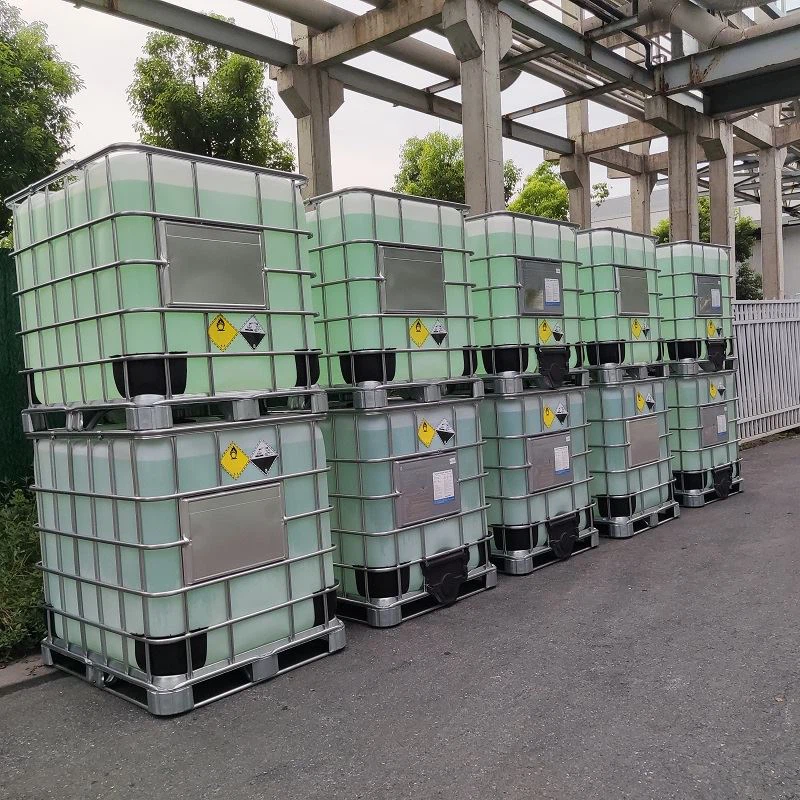
Using 500L IBC Industry Grade Hydrogen Peroxide 50%, battery manufacturers can treat large volumes of electrolyte efficiently. This purification step is essential for maintaining the high - quality performance of the battery over its lifetime.
3. Catalyst Activation
In some battery chemistries, catalysts are used to speed up the electrochemical reactions. These catalysts need to be in an active state to function effectively. Our 50% industrial H2O2 can play a role in activating these catalysts.
For example, in fuel cells, which are a type of battery that converts chemical energy directly into electrical energy, catalysts like platinum are used. Sometimes, the platinum surface can become passivated due to the adsorption of reaction by - products. Hydrogen peroxide can be used to oxidize these adsorbed species, regenerating the active surface of the catalyst.
This activation process ensures that the catalysts can continue to facilitate the electrochemical reactions at an optimal rate. By using 50% Hydrogen Peroxide For Industrial Use, battery manufacturers can improve the efficiency of their fuel cells and other battery systems that rely on catalysts.
4. Recycling of Batteries
With the increasing demand for batteries, especially in the renewable energy and electric vehicle sectors, battery recycling has become a hot topic. Our 50% industrial H2O2 can also be used in the battery recycling process.
When recycling lithium - ion batteries, for example, the goal is to recover valuable metals like lithium, cobalt, and nickel from the spent batteries. Hydrogen peroxide can be used to dissolve the metal oxides present in the battery electrodes. It can oxidize the metals to higher oxidation states, making them more soluble in acidic solutions.
This dissolution process is a crucial step in separating and recovering the valuable metals. By using our high - quality 50% industrial H2O2, battery recyclers can improve the efficiency of the metal recovery process, reducing waste and making the battery recycling more economically viable.
5. Safety and Handling in Battery Production
While 50% industrial H2O2 is extremely useful in battery production, it's important to handle it with care. Hydrogen peroxide is a strong oxidizer and can react violently with certain organic materials and reducing agents.
Battery manufacturers need to follow strict safety protocols when using our 50% industrial H2O2. This includes storing it in a cool, well - ventilated area away from heat sources and incompatible substances. Protective equipment such as gloves, goggles, and lab coats should be worn when handling hydrogen peroxide.
However, when used properly, our 50% industrial H2O2 is a reliable and effective chemical for battery production. We provide detailed safety data sheets and handling guidelines to our customers to ensure the safe use of our product.
Why Choose Our 50% Industrial H2O2?
We take pride in supplying high - quality 50% industrial H2O2. Our product is manufactured using state - of - the - art processes that ensure consistent quality and purity. We have a strict quality control system in place to make sure that every batch of our hydrogen peroxide meets the highest industry standards.
Our team of experts is always ready to provide technical support and advice to our customers. Whether you're a small - scale battery manufacturer or a large industrial player, we can offer customized solutions to meet your specific needs.
Let's Talk Business
If you're in the battery production business and are looking for a reliable supplier of 50% industrial H2O2, we'd love to hear from you. Our product can help you improve the quality and efficiency of your battery production process. Whether it's for cleaning, electrolyte purification, catalyst activation, or battery recycling, our 50% industrial H2O2 is the way to go.

Contact us to start a discussion about your requirements. We're eager to work with you and help you take your battery production to the next level.
References
- Handbook of Batteries, 4th Edition
- Journal of Power Sources, various issues related to battery production and chemical processes
- Industrial Chemistry textbooks covering hydrogen peroxide applications