


What is the impact of H2O2 on the electrical conductivity of textiles?
In the ever - evolving landscape of the textile industry, innovation and the pursuit of superior product performance are constant driving forces. Hydrogen peroxide (H₂O₂) is a versatile chemical that has long been a staple in this industry. As a leading supplier of H₂O₂ for the textile industry, I've witnessed firsthand its various applications and the profound effects it can have on textiles. One area that has piqued my interest and that of many researchers is its impact on the electrical conductivity of textiles.

Understanding Electrical Conductivity in Textiles
Before delving into the relationship between H₂O₂ and textile electrical conductivity, it's essential to understand what electrical conductivity in textiles means. Electrical conductivity refers to the ability of a material to conduct an electric current. In the context of textiles, this property can be crucial for a wide range of applications. For example, in the development of smart textiles, electrical conductivity can enable functions such as sensing environmental changes, transmitting signals, or even generating heat.
Textiles are typically made from natural or synthetic fibers, which are generally poor conductors of electricity. However, through various treatments and modifications, it is possible to enhance their electrical conductivity. This is where H₂O₂ comes into play.
The Role of H₂O₂ in Textile Processing
H₂O₂ is well - known in the textile industry for its use in bleaching processes. It is an environmentally friendly alternative to traditional bleach agents, as it decomposes into water and oxygen, leaving no harmful residues. When used for bleaching, H₂O₂ oxidizes the chromophores in the textile fibers, removing unwanted colors and making the fabric whiter and brighter.
But its influence on textiles goes beyond just bleaching. The chemical properties of H₂O₂ can also interact with textile fibers in ways that affect their physical and chemical structure, potentially altering their electrical conductivity.
How H₂O₂ Affects the Electrical Conductivity of Textiles
Chemical Modification of Fibers
H₂O₂ is a strong oxidizing agent. When it comes into contact with textile fibers, it can cause oxidation reactions on the fiber surface. For natural fibers like cotton, the cellulose chains in the fibers can be oxidized by H₂O₂. This oxidation can lead to the formation of new functional groups such as carboxyl groups on the fiber surface. These new functional groups can increase the hydrophilicity of the fibers and also affect the charge - carrying ability of the fibers.
In synthetic fibers, such as polyester and nylon, H₂O₂ can also cause oxidation of certain chemical bonds, changing the surface chemistry and potentially enhancing the adsorption of charged species. This can increase the number of charge carriers within the fibers, thereby increasing their electrical conductivity.
Removal of Impurities
During the textile manufacturing process, fibers can be contaminated with various impurities. These impurities can act as insulators and reduce the electrical conductivity of the textiles. H₂O₂ can effectively remove these impurities through its bleaching and oxidizing action. By cleaning the fiber surface, it allows for better contact between the fibers and any conductive agents that may be applied later, improving the overall electrical conductivity of the textile.
Interaction with Conductive Additives
In some cases, conductive additives are used to enhance the electrical conductivity of textiles. H₂O₂ can interact with these additives in different ways. For example, if metal nanoparticles are used as conductive agents, H₂O₂ can affect their dispersion and adhesion on the textile fibers. It can prevent the agglomeration of nanoparticles, ensuring a more uniform distribution on the fibers' surface. This uniform distribution is essential for maintaining continuous conductive pathways within the textile and thus improving its electrical conductivity.
Real - World Implications and Applications
The ability to modify the electrical conductivity of textiles using H₂O₂ has several significant implications in the real world.
Smart Textiles
Smart textiles are a rapidly growing field that combines textile technology with electronics. By using H₂O₂ to enhance the electrical conductivity of textiles, it becomes possible to integrate various sensors and electronic components more effectively. For example, in a health - monitoring smart textile, conductive fibers treated with H₂O₂ can be used to measure vital signs such as heart rate and body temperature and transmit this data wirelessly.
E - Textiles for Fashion
In the fashion industry, e - textiles are becoming increasingly popular. H₂O₂ - treated conductive textiles can be used to create clothing with integrated lighting, heated elements, or interactive elements. This not only adds a new dimension to fashion but also opens up opportunities for customization and personalization.
Our H₂O₂ Products for the Textile Industry
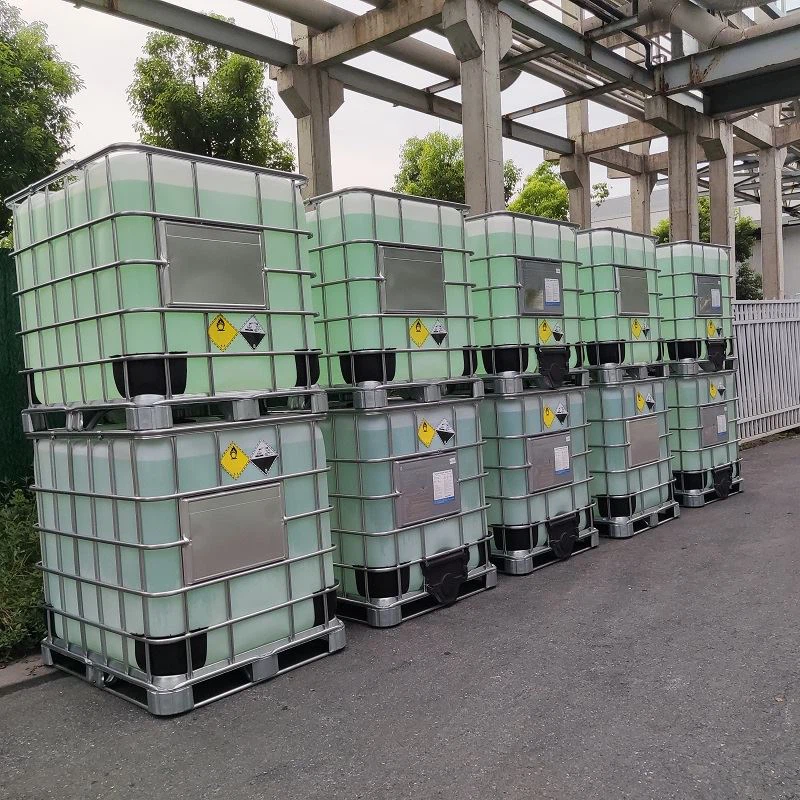
As a dedicated supplier of H₂O₂ to the textile industry, we offer a range of high - quality products. Our 50% Industrial Grade H2O2 Hydrogen Peroxide for Chemical Synthesis is specifically formulated to meet the demanding requirements of chemical synthesis processes in textile manufacturing. It provides consistent and reliable performance, ensuring optimal results in various textile treatments.
Our 50% Industrial Grade Hydrogen Peroxide H₂O₂ For Paper Bleaching can also be effectively used in textile bleaching, which as we've discussed, can have a positive impact on the electrical conductivity of textiles by removing impurities and modifying fiber surfaces.
Another product, 50% Hydrogen Peroxide For Industrial Use, offers versatility in different textile applications. Whether it's for pre - treatment, dyeing, or finishing, this product can contribute to improving the overall quality and functionality of textiles, including their electrical conductivity.
Contact Us for Procurement
If you're in the textile industry and are looking to explore the potential of using H₂O₂ to enhance the electrical conductivity of your textiles or for other textile processing needs, we encourage you to get in touch with us. Our team of experts is ready to provide you with detailed product information, technical support, and assistance in finding the right H₂O₂ solution for your specific requirements. We look forward to starting a productive partnership with you to drive innovation and excellence in the textile industry.
References
- A. R. Horrocks, D.Price. "Fire Retardant Textiles: Principles, Practices and Performance". Woodhead Publishing, 2001.
- B. C. Yen, "Handbook of Fiber Chemistry, Third Edition". CRC Press, 2009.
- J. Wang, "Electrochemical Sensors: Principles and Applications". Wiley - VCH, 2006.