The oxidation of cellulose by hydrogen peroxide is mainly to oxidize the hydroxyl groups of glucose molecules into ketones, which is the so-called ketone cellulose; sodium hypochlorite mainly oxidizes the hydroxyl groups of glucose molecules to aldehydes, and the presence of aldehyde groups can continue the degradation of cellulose. It has caused large-scale damage to the fiber. The relevant data shows that the oxygen consumption required to break the cellulose molecules is greater than sodium hypochlorite and sodium chlorite. This is one reason why the damage to cellulose is less severe by hydrogen peroxide.
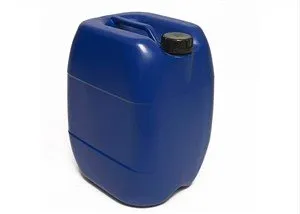
In addition, the presence of aldehyde groups is the cause of yellowing of the bleached material, which shows that chlorine bleaching is easy to yellow, while the whiteness of oxygen bleaching is stable and not easy to yellow. Also, due to the strong ability of hydrogen peroxide to remove impurities, among several bleaching agents, only hydrogen peroxide can be used for the one-bath process of boiling and bleaching. In addition, the decomposition products of hydrogen peroxide are non-polluting, non-toxic, and non-corrosive to equipment. All of these make hydrogen peroxide a short process The best choice for bleach. The chemical name of hydrogen peroxide is hydrogen peroxide. Most of the hydrogen peroxide on the market is a product with a concentration of 30%-35%. It is a colorless and transparent solution that is corrosive to the skin. Because of its lively nature and easy decomposition, it should be used as much as possible during storage. Airtight containers to prevent sunlight (the packaging of hydrogen peroxide is black plastic or bottles with black plastic bags), and it is not suitable for long-term storage.