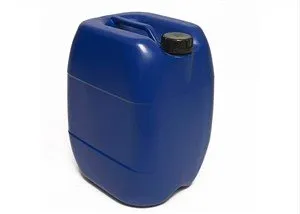
Required for classified storage of chemical products
Chemical products are different from general goods, they have different physical and chemical properties. Certain chemical products will undergo chemical changes when exposed to heat, moisture, friction, vibration, impact, fire, exposure, air, and mutual contact, which can cause disasters such as combustion, explosion, burns, corrosion, and poisoning. Therefore, when storing and keeping, strict restrictions on categories and supervision are required.
Technical requirements for warehouses for storing chemical products
Different storage measures should be taken according to different product categories. The regulations require that the isolation needs to be isolated, those that require constant temperature implementation, require constant temperature measures, and those that require isolation of fire sources need to isolate the source of fire and possible sparks.
Technical requirements for handling, handling and storage
For bulk flammable, explosive, and toxic liquid products, storage containers should be specially constructed, and corresponding storage facilities should be constructed in accordance with the specifications and regulations issued by the relevant departments. For chemical products that are subpackaged and packaged, they must meet the requirements of the hazardous chemicals management regulations and have packaging measures suitable for product characteristics such as airtight, shock-proof, pressure-proof, and drop-proof. Handling, stacking, and stacking also need to be carried out according to different specific requirements of each product to avoid incurring serious consequences.
Open storage technical requirements
For the temporary or permanent open-air storage of materials during loading and unloading, those who are afraid of damage from the sun, rain, insects and birds must be protected by corresponding measures, otherwise they shall not be stored in the open air.
Key technical requirements
(1) The storage items should be strictly classified
The classification of dangerous chemical substances is divided into the following ten categories according to the regulations of relevant departments:
(1) Explosives: explosives that are managed; explosive chemicals that are not managed.
(2) Oxidizing agent: inorganic oxidizing agent; organic oxidizing agent.
(3) Compressed gas and liquefied gas: highly toxic gas; flammable gas; combustion-supporting gas; non-combustible gas.
(4) Spontaneous combustion items.
(5) Burning objects in water.
(6) Flammable liquid and solid.
(7) Poisonous substances: inorganic toxic drugs; organic toxic drugs; inorganic drugs, organic drugs.
(8) Corrosive materials: inorganic acid and alkaline corrosive materials; organic acid and alkaline corrosive materials.
(9) Radioactive materials.
(2) Follow the following principles for storage and transportation of dangerous chemical crystals
(1) Explosive items. Special warehouse storage, special personnel custody, and special vehicle transportation are required. Mixed storage and transportation with explosive drugs and equipment is strictly prohibited. Brutal handling such as falling, rolling, turning, bumping and rubbing is strictly prohibited. Strictly abide by the relevant regulations of the handling process and avoid storing in high temperature places.
(2) Oxidizer. Except for inert non-combustible gases, articles with conflicting properties shall not be mixed and transported (except inert non-combustible gases). Avoid friction, impact, sun, rain, and spill during storage.
(3) Compressed gas and liquefied gas. Mixed storage and transportation of conflicting properties (although they are all bottled gas or liquefied gas) is strictly prohibited. Flammable gas (except inert gas), combustion-supporting gas (except incombustible gas and inorganic drugs), shall not be stored and transported with other items. During the loading and unloading process, please load and unload lightly to avoid impact, throwing, baking, etc.
(4) Spontaneous combustibles should be stored separately and separated from acids and oxidizers; the storage location should be far away from fire and heat sources to prevent accidents caused by impact, rollover, dumping, and packaging damage. Special substances such as yellow phosphorus should be immersed in water, and triisobutyl aluminum should be protected from moisture.
(5) The storage requirements for items that are in contact with water are tightly packed, dry in storage, protected from rain and snow, away from items that emit acid mist, and not mixed with other types of dangerous goods for storage and transportation. Special substances such as metallic sodium should be immersed in mineral oil for storage.
(6) Flammable liquids should be stored and transported separately, away from fire, heat, oxidants, and oxidizing acids to prevent electrostatic hazards. The overall explosion-proof level of the warehouse and adjacent electrical equipment must meet the requirements.
(7) The storage of flammable solids should be well packaged and handled with care to prevent sparks, baking and deliquescent of some varieties.
(8) The storage of poisonous products should be packed tightly and intact, and should be transported separately, away from fire, heat, oxidants, acids, and food. The storage place should be well ventilated.
(9) Corrosive items. The container for storing corrosive articles should be able to adapt to the corrosive requirements of the storage medium and be tight and leak-proof. Oxidizing acids should be stored away from organic flammable materials. Acid corrosive products need to be isolated from cyanide, H foaming agent, water-combustible products, and oxidizers. Do not store or transport with alkali corrosives.
(10) Radioactive materials. The storage warehouses and facilities for radioactive media need to have a shielding layer that absorbs radiation and be constructed in accordance with the requirements of the health department. The stored packaging must be a container made of outsourcing shielding material, which should meet the requirements of radiation protection, tightly packed, and lined with shockproof materials to prevent radiation leakage and pollution