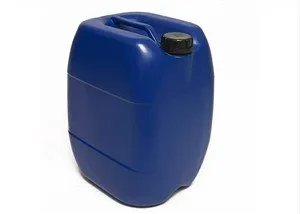


As a strong oxidant, industrial hydrogen peroxide is widely used in disinfection and environmental protection industries. Hydrogen peroxide, also called hydrogen peroxide, is very corrosive. Soaking chopsticks with hydrogen peroxide for bleaching has long been banned by the state. However, some black heart manufacturers use its properties to process bleached disposable chopsticks. Once these "toxic chopsticks" enter the market, if industrial hydrogen peroxide remains on the chopsticks, it may cause cancer in the human digestive tract. In order to make hydrogen peroxide play a more important role in the bleaching process, some chopstick manufacturers have added another key industrial chemical material-anhydrous sodium pyrophosphate, which is particularly harmful to the human body.
Because industrial hydrogen peroxide mainly contains hydroxyl hydroxyl and sodium ion sodium, hydroxyl can combine with many metal ions to form flocs or sediments. For example, it is well known that sewage contains metal ions such as aluminum ions (Al3) or iron ions (Fe3, Fe2), strong acid salts and weak acid salts. It reacts with hydroxyl ions to produce flocculent or insoluble matter precipitation. The flocculation principle is mainly to combine with the hydroxyl hydroxyl group in the sewage to generate aluminum (hydroxyl) 3 flocculant to achieve the flocculation effect. It can also remove excessive acid radical ions in industrial wastewater, such as chloride ions (SO4)2-(PO4)3, etc. It is also commonly used to adjust the pH and determine the amount of industrial hydrogen peroxide according to the pH conditions.
Environmental protection can treat all kinds of harmful wastewater, including detoxification, deodorization and decolorization, and is especially suitable for the treatment of wastewater containing sulfur compounds, cyanides, and phenols. Can be used alone or in combination with ozone or ultraviolet light. Purifying soil contaminated by leaked fuel or other organic substances with hydrogen peroxide can stimulate the regeneration of microorganisms, degrade pollutants, and treat waste gas containing nitrogen oxides, sulfur dioxide, H2S, etc. And respectively produce useful concentrated nitric acid and concentrated sulfuric acid. Hydrogen peroxide can also improve the biochemical treatment capacity of wastewater and prevent sludge expansion.