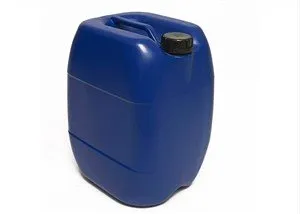


Hydrogen peroxide (chemical formula: H2O2), pure hydrogen peroxide is a light blue viscous liquid that can be miscible with water in any proportion. It is a strong oxidant, and its aqueous solution is commonly known as hydrogen peroxide. It is a colorless and transparent liquid. Its aqueous solution is suitable for medical wound disinfection, environmental disinfection and food disinfection. Under normal circumstances, it will slowly decompose into water and oxygen, but the decomposition rate is extremely slow. The way to speed up the reaction is to add a catalyst-manganese dioxide, etc. or irradiate it with shortwave radiation. There are oxidation and reduction in different situations. Used in photographic stain remover; blue thinning of color positive film; super-proportional thinning of film, etc. Easily decompose, not easy to keep for long. On October 27, 2017, the list of carcinogens announced by the International Agency for Research on Cancer of the World Health Organization was initially compiled for reference. Hydrogen peroxide is included in the list of three types of carcinogens.
English name
HydrogenPeroxide
nickname
Hydrogen peroxide
Chemical formula
H2O2₂
Molecular weight
34.01
CAS Registry Number
7722-84-1
EINECS registration number
231-765-0
Melting point
-0.43℃
Boiling point
158°C
Water soluble
Miscible
density
1.13g/mL (20℃)
Exterior
Blue viscous liquid (water solution is usually colorless and transparent liquid)
Flash point
Meaningless
application
Surface disinfection, chemical production, deodorization
Security description
S26, S39, S45, S36/37/39
Hazard symbol
X (harmful), C (corrosive), O (oxidized)
Risk description
R22, R41
Dangerous goods transport number
UN20145.1/PG2
Refractive index
1.3350
store
Store in a cool and cool plastic bottle with a microporous mouth
Chemical category
Inorganic substance-peroxide
Vapor pressure
1.48mmHg (25℃, 35% aqueous solution)
toxicity
low
Acid-base
Weak acid