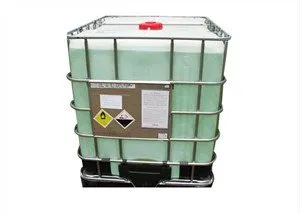


During the process of using hydrogen peroxide bleaching, there are certain requirements for water quality, which directly affects the effectiveness of hydrogen peroxide bleaching. If hard water is used for hydrogen peroxide bleaching, it is generally harmful. However, during hydrogen peroxide bleaching, the calcium and magnesium salts in hard water can prevent the decomposition of hydrogen peroxide, so hard water can be used when preparing hydrogen peroxide bleaching solution.
The molecular formula is H2O2, commonly known as hydrogen peroxide. Pure concentrated hydrogen peroxide is a colorless and odorless oily liquid with a specific melting point of -2 degrees Celsius, and can be mixed with water or ethanol in any ratio. The industrial products sold on the market are generally 30% and 3% aqueous solutions (by volume), but the concentration can reach over 90%. Hydrogen peroxide is very unstable, especially under alkaline conditions, it is easy to quickly decompose and release oxygen. When there is a small amount of acid present, hydrogen peroxide is very stable. Therefore, in industrial products, an appropriate amount of sulfuric acid or phosphoric acid is often added to make it stable.