


Can 50% Food Grade Hydrogen Peroxide be used for cleaning ceramic tiles? In the world of household cleaning, finding effective and safe cleaning agents is a constant pursuit. As a supplier of 50% Food Grade Hydrogen Peroxide, I often receive inquiries about its potential uses beyond the food industry. One common question is whether it can be used for cleaning ceramic tiles. In this blog post, I will explore the properties of 50% Food Grade Hydrogen Peroxide and evaluate its suitability for cleaning ceramic tiles.
Understanding 50% Food Grade Hydrogen Peroxide
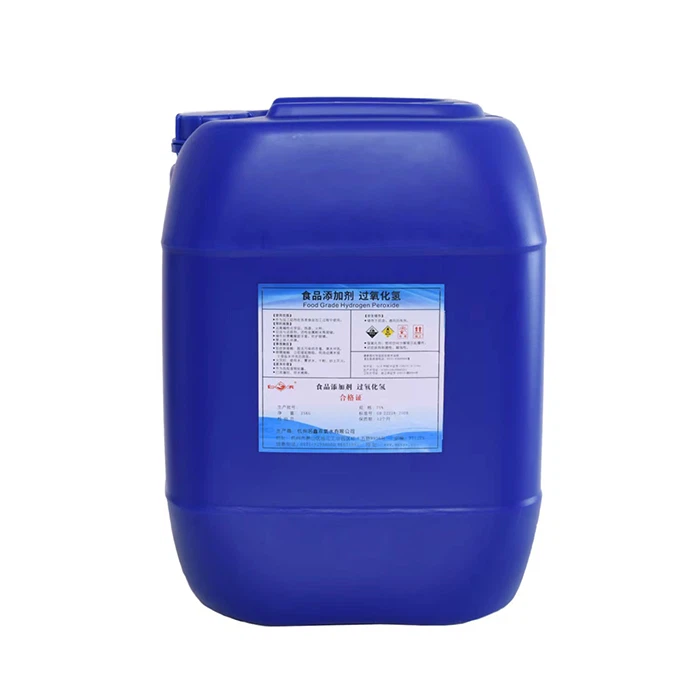
Food grade hydrogen peroxide is a highly concentrated form of hydrogen peroxide that is specifically formulated for use in the food industry. It is commonly used for food sanitation, packaging disinfection, and food processing. The 50% concentration indicates that it contains 50% hydrogen peroxide and 50% water. This high concentration makes it a powerful oxidizing agent with strong disinfectant and bleaching properties.
One of the key advantages of food grade hydrogen peroxide is its safety for use in food-related applications. It is free from harmful chemicals and additives, making it a natural and eco-friendly alternative to traditional cleaning agents. Additionally, hydrogen peroxide breaks down into water and oxygen, leaving no harmful residues behind.
The Science Behind Cleaning with Hydrogen Peroxide
Hydrogen peroxide works as a cleaning agent through a process called oxidation. When hydrogen peroxide comes into contact with organic matter, such as dirt, stains, or bacteria, it releases oxygen molecules. These oxygen molecules react with the organic matter, breaking it down into smaller, more soluble compounds. This process effectively removes stains, disinfects surfaces, and deodorizes the area.
In the case of ceramic tiles, hydrogen peroxide can be particularly effective at removing tough stains, such as grease, grime, and mold. The oxidizing power of hydrogen peroxide helps to break down these stains, making them easier to wipe away. Additionally, its disinfectant properties can help to kill bacteria and prevent the growth of mold and mildew on the tiles.
Using 50% Food Grade Hydrogen Peroxide for Cleaning Ceramic Tiles
Before using 50% Food Grade Hydrogen Peroxide on ceramic tiles, it is important to take some precautions. First, it is recommended to test the hydrogen peroxide on a small, inconspicuous area of the tiles to ensure that it does not cause any damage or discoloration. If there are no adverse effects, you can proceed with the cleaning process.
To clean ceramic tiles with 50% Food Grade Hydrogen Peroxide, follow these steps:

- Dilute the hydrogen peroxide: The 50% concentration of food grade hydrogen peroxide is quite strong and may be too harsh for direct use on ceramic tiles. It is recommended to dilute the hydrogen peroxide with water to a concentration of 3% - 10%. You can do this by mixing one part hydrogen peroxide with four to nine parts water, depending on the severity of the stains.
- Prepare the cleaning solution: Once you have diluted the hydrogen peroxide, pour it into a spray bottle or a bucket. You can also add a small amount of mild dish soap to the solution to enhance its cleaning power.
- Apply the cleaning solution: Spray or pour the cleaning solution onto the ceramic tiles, making sure to cover the entire surface. Use a scrub brush or a sponge to scrub the tiles gently, paying special attention to any stained or dirty areas.
- Let the solution sit: Allow the cleaning solution to sit on the tiles for a few minutes to allow the hydrogen peroxide to break down the stains and disinfect the surface.
- Rinse the tiles: After a few minutes, rinse the tiles thoroughly with clean water to remove the cleaning solution and any loosened dirt or stains.
- Dry the tiles: Use a clean towel or a mop to dry the tiles completely to prevent water spots and streaks.
Benefits of Using 50% Food Grade Hydrogen Peroxide for Cleaning Ceramic Tiles
There are several benefits to using 50% Food Grade Hydrogen Peroxide for cleaning ceramic tiles:
- Effective stain removal: The strong oxidizing power of hydrogen peroxide makes it highly effective at removing tough stains, such as grease, grime, and mold, from ceramic tiles.
- Disinfection: Hydrogen peroxide has powerful disinfectant properties that can help to kill bacteria, viruses, and fungi on the tiles. This can help to prevent the spread of illness and keep your tiles clean and hygienic.
- Eco-friendly: Food grade hydrogen peroxide is a natural and eco-friendly alternative to traditional cleaning agents. It is free from harmful chemicals and additives, and it breaks down into water and oxygen, leaving no harmful residues behind.
- Safe for use on ceramic tiles: When used properly, food grade hydrogen peroxide is safe for use on ceramic tiles. It does not damage the tiles or cause discoloration, making it a gentle yet effective cleaning solution.
Potential Drawbacks and Considerations
While 50% Food Grade Hydrogen Peroxide can be an effective cleaning agent for ceramic tiles, there are some potential drawbacks and considerations to keep in mind:
- High concentration: The 50% concentration of food grade hydrogen peroxide is quite strong and can be dangerous if not handled properly. It is important to follow the safety instructions carefully and wear protective gloves and eyewear when using it.
- Dilution required: The high concentration of hydrogen peroxide means that it needs to be diluted before use. Failure to dilute the hydrogen peroxide properly can result in damage to the tiles or skin irritation.
- Not suitable for all types of ceramic tiles: Some types of ceramic tiles, such as those with a glazed finish, may be more sensitive to the effects of hydrogen peroxide. It is always recommended to test the hydrogen peroxide on a small, inconspicuous area of the tiles before using it on the entire surface.
- May cause discoloration: In some cases, hydrogen peroxide may cause discoloration or fading of certain types of ceramic tiles. This is more likely to occur if the tiles are old or have a porous surface.
Conclusion
In conclusion, 50% Food Grade Hydrogen Peroxide can be a powerful and effective cleaning agent for ceramic tiles. Its strong oxidizing and disinfectant properties make it particularly useful for removing tough stains, killing bacteria, and preventing the growth of mold and mildew. However, it is important to use it with caution and follow the safety instructions carefully. Always test the hydrogen peroxide on a small area of the tiles before using it on the entire surface, and dilute it properly to avoid damage to the tiles.
If you are interested in purchasing 50% Food Grade Hydrogen Peroxide for cleaning ceramic tiles or other applications, we offer high-quality products that are suitable for a wide range of uses. You can find more information about our products on our website:
- 50% Food Grade Hydrogen Peroxide H2O2 For Food Sanitation And Packaging Disinfection
- 50% Food Additive Hydrogen Peroxide H₂O₂ for Food Processing Industry
- 50% Food Grade Hydrogen Peroxide H2O2 for Food Sanitation and Packaging Disinfection
If you have any questions or would like to discuss your specific needs, please feel free to contact us. We are happy to assist you with your purchase and provide you with the information you need to make an informed decision.
References
- "Hydrogen Peroxide: A Versatile Cleaning Agent." ScienceDaily.
- "Food Grade Hydrogen Peroxide: Uses and Benefits." Healthline.
- "Cleaning with Hydrogen Peroxide: Tips and Tricks." The Spruce.