1. Leakage treatment
The hydrogen peroxide quickly evacuated the leaked contaminated personnel to the area, and isolated them, strictly restricting access. It is recommended that emergency personnel wear self-contained positive pressure respirators and wear acid-alkali-proof overalls. Cut off the source of leakage as much as possible to prevent entry into restricted spaces such as sewers and flood drains. Small leakage: absorb with sand, vermiculite or other inert materials. It can also be washed with a lot of water, and the washing water is diluted and put into the waste water system. A large number of leaks: build a dike or dig a pit for storage; spray water to cool and dilute the steam, protect the on-site personnel, and dilute the leakage into incombustibles. Use a pump to transfer to a tanker or a special collector for recycling or home to a waste disposal site for disposal.
Waste disposal method: the waste liquid is decomposed after being diluted with water, and oxygen is released. After it is fully decomposed, the waste liquid is flushed into the sewer.
2. First aid measures
Skin contact: Take off contaminated clothing and rinse with plenty of running water.
Eye contact: Lift the eyelid immediately and rinse with plenty of running water or saline for at least 15 minutes. Seek medical attention.
Inhalation: quickly leave the scene to a place with fresh air. Keep the airway open. If breathing is difficult, give oxygen. If breathing stops, give artificial respiration immediately. Seek medical attention.
Ingestion: Drink enough warm water, induce vomiting, and seek medical attention.
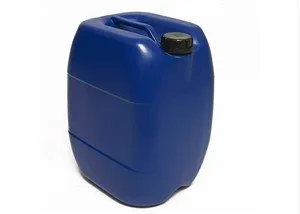
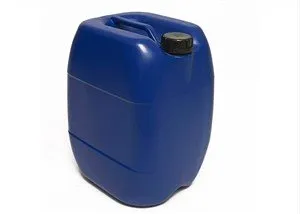
Extinguishing method: Firefighters must wear full-body fire and gas-proof clothing. Move the container from the fire scene to an open place as much as possible. Spray water to cool the fire container until the end of the fire. If the container in the fire scene has changed color or produces sound from the pressure relief device, it must be evacuated immediately. Extinguishing agent: water, water mist, dry powder, sandy soil. Precautions for Jiangxi hydrogen peroxide packaging: Large packaging: plastic barrels (tanks), the upper part of the container should have a pressure relief valve or vent, the container should have at least 10% margin, and the net weight of each barrel (tank) is no more than 50 kg. Reagent packaging: plastic bottles, then individually put into plastic bags, and packed in calcium plastic boxes.