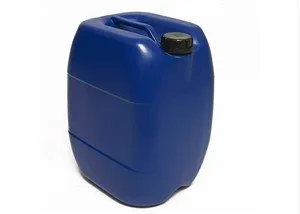



As a strong oxidant, industrial hydrogen peroxide is widely used in disinfection and environmental protection industries such as industry and food industry. Hydrogen peroxide, also known as hydrogen peroxide, is highly corrosive.

Because industrial hydrogen peroxide mainly contains hydroxide OH- and sodium ion Na+, the hydroxide can combine with many metal ions to form flocs or precipitates. For example, we all know that sewage contains metal ions such as aluminum ions (Al3+) or iron ions (Fe3+, Fe2+), strong acid salts and weak acid salts, which react with OH- ions to produce flocs or insoluble precipitation. The flocculation principle is mainly to combine with the hydroxide radical OH- in the sewage to form Al(OH)3 flocculent substance to achieve the flocculation effect. It can also remove excess acid radical ions in industrial sewage, such as Cl-(SO4)2-(PO4)3, etc. It is also commonly used to adjust the PH value and determine the dosage of industrial hydrogen peroxide according to the PH situation.
Environmental protection can treat all kinds of harmful wastewater, including detoxification, deodorization and decolorization, and is especially suitable for wastewater treatment of sulfur compounds, cyanides, and phenols. It can be used alone or in combination with ozone or ultraviolet rays. Purification of soil contaminated by leaked fuel oil or other organic matter with hydrogen peroxide can stimulate the re-growth of microorganisms, degrade pollutants, and treat waste gas containing NOx, SO2, H2S, etc., which can generate useful concentrated nitric acid and Concentrated sulfuric acid. Hydrogen peroxide can also improve the ability of biochemical methods to treat wastewater and prevent sludge expansion. When the activated carbon used in the treatment of waste water and waste gas becomes invalid, it can be regenerated with hydrogen peroxide.